



Today’s furnaces are reliable and have an exemplary safety record. That makes it easy to forget that they can be dangerous in certain circumstances. To avoid the risk of fires and other furnace malfunctions, there are some things you should do and others you shouldn’t. With that in mind, here are five simple furnace safety tips for your home.
1. Stay on Top of Air Filter Changes
Your furnace’s air filter needs replacement roughly every 90 days. When you don’t change yours often enough, it can get so dirty that it restricts airflow through your furnace. That, in turn, will cause your furnace to overheat. Fortunately, your furnace has safety equipment that forces a shutdown when temperatures rise too high. However, that doesn’t mean your furnace won’t suffer damage. It also doesn’t mean that your overheated furnace isn’t a fire hazard. To prevent those issues, stay on top of your furnace’s air filter needs.
2. Test Your Carbon Monoxide and Smoke Detectors
Your home’s carbon monoxide and smoke detectors are your best chance of escaping the danger of a malfunctioning furnace. You should test your detectors monthly to ensure they remain operational. Some smoke and carbon monoxide detectors need batteries replaced from time to time. And they all have expiration dates, after which you’ll need replacements.
3. Clean Around Your Furnace
Most furnaces have minimum clearance requirements for safe operation. Although manufacturer recommendations vary, at least 30 inches of free space on all sides is usually enough. If you’ve gotten into the habit of storing things near your furnace, take time to remove them to provide adequate space. It’s also essential to avoid storing combustible materials anywhere near your furnace.
4. Check Your Vents
Just as a dirty air filter can cause a furnace to overheat, so too can blocked vents. It’s wise to keep your home’s supply vents fully open and unobstructed unless you have a good reason not to. And you should never block your furnace’s return air grilles. Doing so will reduce your furnace’s efficiency and create unsafe operating conditions.
5. Don’t Skip Annual Tune-Ups
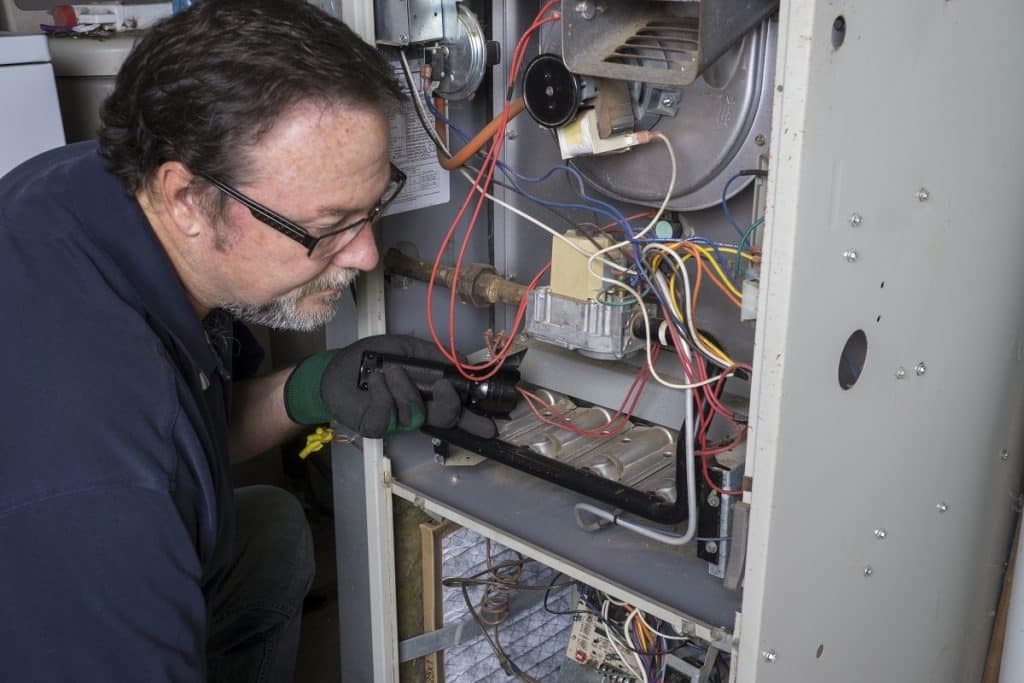
Every furnace needs annual maintenance to remain reliable. The best time to schedule this type of service call is in early fall. That way, your HVAC technician will have time to address any problems they discover before the heating season. Every maintenance visit includes a thorough cleaning of your furnace’s inner workings. It also includes a complete safety inspection and lubrication of moving parts. That should give you peace of mind when the weather gets colder. If you live in Wilmington, NC or a surrounding area and need furnace services, make your first call to NC Quality Air.